Understanding the Risks of Atlanta Hail Storms: Essential Information for Commercial Building Owners
Nestled in the heart of Georgia, Atlanta stands as a vibrant metropolis known for its rich history, diverse culture, and bustling commercial landscape.
Amidst the city's dynamic allure lies a formidable force of nature that demands attention - hailstorms.

Atlanta's ever-changing weather patterns bring forth the looming threat of hailstorms, presenting a unique challenge to commercial building owners in the region.
In this comprehensive guide, we delve into the intricacies of Atlanta's hailstorm risks, offering essential information and crucial insights tailored specifically for commercial property owners.
Join us as we navigate through the nuances of Atlanta's climatic uncertainties, empowering you with the knowledge needed to safeguard your investments and fortify your properties against the unpredictable nature of hailstorms in this vibrant city.
Unveiling the Impact of Hail Storms in Atlanta
Hailstorms in Atlanta, Georgia, wield a significant impact on the city's landscape, structures, and inhabitants.
These meteorological events, characterized by the pelting of ice pellets, can wreak havoc on various aspects of Atlanta's urban environment.

The aftermath of a hailstorm often reveals a trail of destruction, with commercial buildings, residential homes, vehicles, and public infrastructure bearing the brunt of the damage.
Moreover, the economic repercussions of hailstorms in Atlanta are profound.
Businesses may suffer disruptions and financial losses due to property damage, interrupted operations, and decreased productivity.
Insurance claims surge in the wake of hailstorms, impacting premium rates and overall costs for commercial entities in the region.
Revealing Atlanta Hail Damage Statistics
Annual Hail Events
In the Atlanta, Georgia area, the frequency and intensity of hailstorms have left a notable mark on the region's meteorological landscape.
Trained weather spotters have diligently reported 27 instances of hail physically reaching the ground, signifying the tangible impact these storms have had within the community.

Moreover, the area has been on high alert, with severe weather warnings issued a staggering 47 times in the past 12 months (2023), highlighting the recurrent nature of these weather events and the need for residents and businesses to stay vigilant and prepared for potential hazards.
Doppler radar, a critical tool in weather monitoring, has detected hail in close proximity to Atlanta on a striking 92 occasions, demonstrating the consistent presence of these destructive phenomena in the vicinity.
Hail Size Record
On July 23, 2018, in Atlanta, the recent storms over the weekend took on a spring-like nature rather than the typical thunderstorms associated with summer. A unique combination of atmospheric components came together, resulting in the formation of large hail as thunderstorms progressed from Lawrenceville to Athens, unleashing hailstones ranging from the size of golf balls to tennis balls.

The prevailing conditions that led to this phenomenon involved a cool air loft that triggered the generation of storm rotating updrafts. These updrafts propelled the hailstones upward into the upper layers of the atmosphere multiple times before ultimately descending from the bottom of the storm.
Cost of Damage
In Feb 2013, Atlanta Hartsfield-Jackson Atlanta International Airport incurred a substantial financial blow of over $35 million due to the most expensive hail event in Atlanta, Georgia.

This formidable hailstorm inflicted significant damage, resulting in extensive costs for repairs and restoration efforts at one of the busiest airports in the world.
The impact of this costly hail event underscores the vulnerability of crucial infrastructure to severe weather phenomena.
Impact on Commercial Roofing Systems
Commercial roofing systems in Atlanta, Georgia, face a myriad of challenges and impacts due to the region's dynamic weather patterns, particularly hailstorms.
The relentless force of hailstones during severe weather events can wreak havoc on these roofing structures, leading to damages that range from minor dents to extensive punctures and shattering.
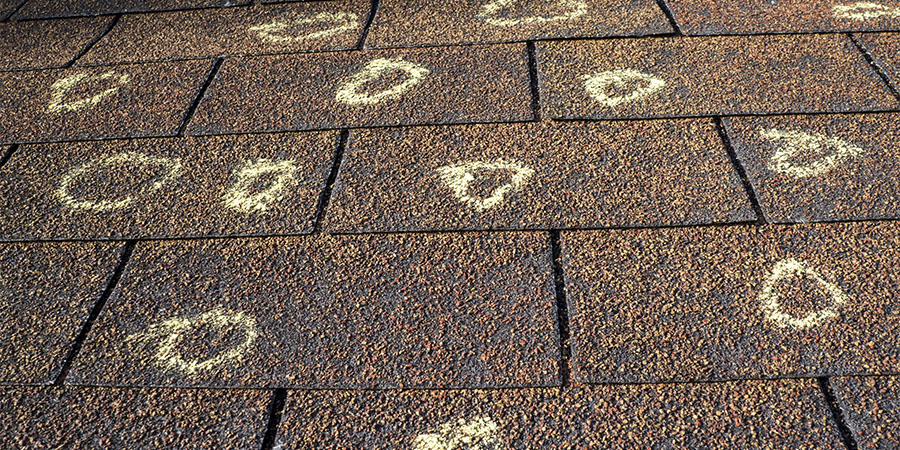
The constant barrage of hail can compromise the integrity of commercial roofs, resulting in leaks, structural weaknesses, and decreased lifespan of the roofing materials.
This not only poses safety risks but also necessitates costly repairs and maintenance, affecting the operational efficiency and longevity of commercial buildings in Atlanta.
Moreover, the financial implications of hail damage on commercial roofing systems in Atlanta are profound.
The need for repairs and replacements following hailstorms can place a significant financial burden on businesses and property owners, disrupting normal operations and impacting the bottom line.
Additionally, the downtime required for repair work can lead to business interruptions, potential revenue loss, and decreased productivity.
- Impact Damage: Metal roofs may experience dents, while other roofing materials could be susceptible to punctures.
- Membrane Vulnerabilities: TPO and EPDM roofing membranes are prone to punctures and tears when exposed to hail.
- Granule Loss: Asphalt shingles are at risk of losing protective granules, accelerating their deterioration process.
Suburbs Affected by Hail Storms in Atlanta
Several suburbs surrounding Atlanta are susceptible to hail storms, including:
- Marietta
- Alpharetta
- Roswell
- Decatur
- Sandy Springs
- Duluth
- Smyrna
- Lawrenceville
- Woodstock
- Stone Mountain
Strategies to Mitigate Hail Damage in Commercial Buildings
Mitigating hail damage in commercial buildings in Atlanta necessitates the implementation of comprehensive strategies aimed at fortifying structures and reducing vulnerabilities to severe weather events.

One crucial approach is the installation of impact-resistant roofing materials designed to withstand the impact of hailstones, thereby minimizing potential damage to the building envelope.
Regular inspections and maintenance play a vital role in mitigating hail damage, as they enable early detection of roof weaknesses, deteriorating sealants, or other vulnerabilities that can exacerbate the effects of hailstorms.
Importance of Insurance Coverage in Atlanta
Insurance coverage is of paramount importance for residents and businesses in Atlanta, Georgia, due to the region's susceptibility to a variety of natural disasters, including severe weather events like hailstorms, tornadoes, and hurricanes.
With Atlanta being part of "Dixie Alley," an area known for its high frequency of tornadoes, having appropriate insurance coverage can provide financial protection and peace of mind in the face of unpredictable weather patterns.

In the event of property damage caused by severe weather phenomena, insurance coverage can help mitigate the financial burden of repairs, replacements, and restoration efforts, safeguarding individuals and businesses against substantial losses.
Moreover, Atlanta's geographical location and thriving urban landscape make it prone to risks such as flooding, hail damage, and windstorms, underscoring the importance of having insurance coverage tailored to address these specific hazards.
Comprehensive insurance policies can offer coverage for property damage, business interruption, liability claims, and other unforeseen circumstances resulting from natural disasters or accidents.
Impact-Resistant Materials
Selecting impact-resistant materials for your commercial property in Atlanta acts as a proactive step toward protecting your investment from potential damage resulting from hail storms.
This choice not only strengthens the structural robustness of your building but also fosters a lasting sense of assurance and tranquility amidst the unpredictability and sporadic nature of hail events.
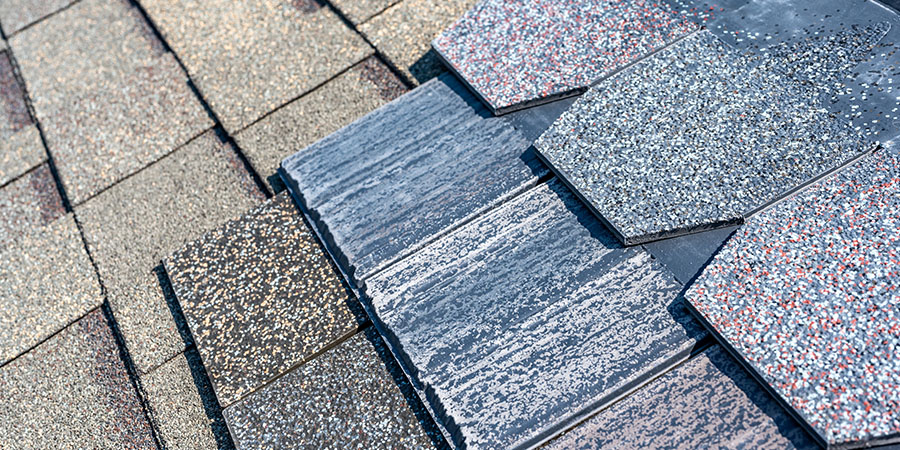
Opting for roofing materials engineered specifically for impact resistance, such as Class 4 shingles (IBHS), signifies a forward-thinking and strategic choice that delivers an array of advantages.
These benefits include heightened longevity, financial savings, augmented property worth, and environmental sustainability, rendering it a judicious investment for your commercial property.
Atlanta Hail Damage Prevention Strategies
In Atlanta, it's crucial to use smart strategies to prevent hail damage and shield commercial properties from the harmful effects of hailstorms.
Important steps include fitting hail guards, strengthening roofs, and maintaining good drainage systems to boost toughness and minimize damage.
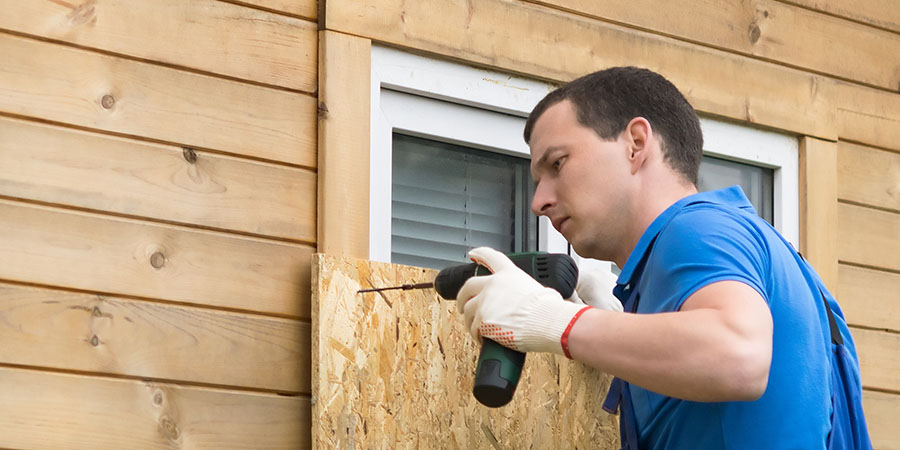
By taking proactive steps to reduce risks, property owners can make their buildings, belongings, and occupants more resilient against the impacts of hailstorms, creating a safer and sturdier environment to face severe weather challenges.
Future Trends and Climate Change Impact in Atlanta
Future trends and climate change impacts in Atlanta are expected to manifest in various ways as the climate continues to evolve.
With rising global temperatures, Atlanta may experience more frequent and intense heatwaves, leading to increased energy demand for cooling systems and potential health risks for vulnerable populations.

Additionally, changes in precipitation patterns could result in more extreme weather events such as heavy rainfall, flooding, and droughts, posing challenges for infrastructure, water management, and agriculture in the region.
Climate change is also likely to influence Atlanta's ecosystems, potentially affecting biodiversity, vegetation patterns, and wildlife habitats.
Rising sea levels could exacerbate coastal flooding along the Georgia coast, including areas near Atlanta that are vulnerable to storm surges.
The city may need to adapt its urban planning, infrastructure design, and emergency response strategies to mitigate the impacts of climate change and ensure resilience against future environmental challenges.
Authoritative Sources
- National Weather Service (NWS): Provides real-time alerts and historical data on hail events.
- Interactive Hail Maps: Provides insights and report on hail and other weather events.
- 11 Alive News: Offers comprehensive report on indifferent topics including weather info and news.
- Insurance Institute for Business & Home Safety (IBHS): Conducts research on the effectiveness of impact-resistant materials.
- National Centers of Environmental Information: Provider of weather and climate disaster statistics and data.
Conclusion
Awareness and preparedness are fundamental aspects of tackling the risks associated with Atlanta hail storms for commercial building owners.
By gaining insights into the potential impacts of hailstorms on their properties and taking proactive steps to mitigate these risks, owners can safeguard their investments and ensure the resilience of their buildings.
Implementing strategies such as utilizing impact-resistant materials, reinforcing roof structures, and maintaining effective drainage systems can significantly reduce the vulnerability of commercial properties to hail damage.
This essential information equips building owners with the knowledge and tools needed to address the challenges posed by hailstorms in Atlanta, promoting a proactive and resilient approach to safeguarding their assets and maintaining business continuity in the face of severe weather events.
References
- https://www.interactivehailmaps.com/local-hail-map/atlanta-ga/
- https://www.11alive.com/article/weather/metro-atlanta-sees-record-hail-size-in-july/85-576833134
- https://www.bizjournals.com/atlanta/news/2019/02/13/hail-storm-in-2013-cost-atlanta-airport-over-35.html
- https://ibhs.org/hail/shingle-performance-ratings/
RestoreMaster Disaster Response Services
Roof Emergency Sealing
Shrink Wrap Roofing
Roof Tarp Solutions
Site Containment
Emergency Board-up
Debris Removal
Wind Damage Repair
Commercial Roofing
Residential Roofing
Water Damage Removal
Fire Damage Restoration
Mold Remediation
Windows & Doors
Siding Repair
Flood Damage Repair
Interior Construction
Commercial Exterior
Insurance Claims
For emergency services
Call Now
800-400-ROOF
Request an Inspection
Learn More About RestoreMaster
Certified & Accredited Restoration Specialists


- $10 Million General Liability Insurance
- Bonding Capacity up to $50 Million
- OSHA Safety Trained
- Top 100 Roofing Contractor
- Certified General Contractor
- Better Business Bureau A+ Rating
- Owens Corning Preferred Contractor
- GAF Certified Weather Stopper Roofing Contractor
- CertainTeed Master Shingle Applicator
- Verisco Authorized Flat Roof Installer
- Verea Preferred Platinum Elite Installer
- Ironstone Master Artisan
- Conklin Preferred Contractor
- Compliance Depot Certified Vendor