
Understanding the Risks of Kansas Hail Storms: Essential Information for Commercial Building Owners
Hail storms in Kansas present a significant meteorological challenge, characterized by varying frequencies and intensities across the state.
Understanding these storms involves analyzing historical data to discern patterns and trends, aiding in the development of effective preparedness and risk mitigation strategies.

As climate change continues to influence weather patterns globally, the implications for hail storms in Kansas are becoming increasingly important.
Research focusing on the relationship between climate change and severe weather events provides valuable insights to guide policymaking, emergency responses, and public adaptation strategies in the face of evolving environmental conditions in the city.
Unveiling the Impact of Hail Storms in Kansas
Hailstorms in Kansas have profound impacts on the environment, agriculture, and the economy.
These weather events result in devastating consequences for agricultural crops, affecting food production and ecosystem health.

Economically, hailstorms incur substantial repair costs for damaged properties and vehicles, necessitating robust risk management strategies and resilient infrastructure investments to mitigate financial losses.
Understanding and addressing the environmental and economic ramifications of hailstorms in Kansas are crucial for effective preparedness and response measures.
Revealing Kansas Hail Damage Statistics
Annual Hail Events
Within the past year, the Kansas City, MO area has been closely monitored, with trained spotters recording a total of 151 instances of hail actually reaching the ground.
This data underscores the consistent threat posed by hailstorms in the region, highlighting the frequency at which hail events have occurred and directly impacted the area.

Moreover, the region has experienced severe weather warnings on 205 occasions over the same period, indicating the recurring nature of adverse weather conditions that necessitate heightened alertness and preparedness among residents and authorities alike.
The significant number of reports detailing on-the-ground hail occurrences and the extensive issuance of severe weather warnings in the Kansas City, MO area over the past 12 months point to the heightened susceptibility of the region to severe weather phenomena.
Hail Size Record
The 2010 storm in Kansas left a trail of destruction as hailstones the size of softballs wreaked havoc on roofs, vehicles, and lawns.
Mary Knapp, the state climatologist and director of the Weather Data Library at Kansas State University, highlighted the extent of the damage caused by these massive hailstones.
One notable incident involved a hailstone measuring 7.75 inches (19.7 cm) in diameter that fell in west Wichita, setting a record for its size.
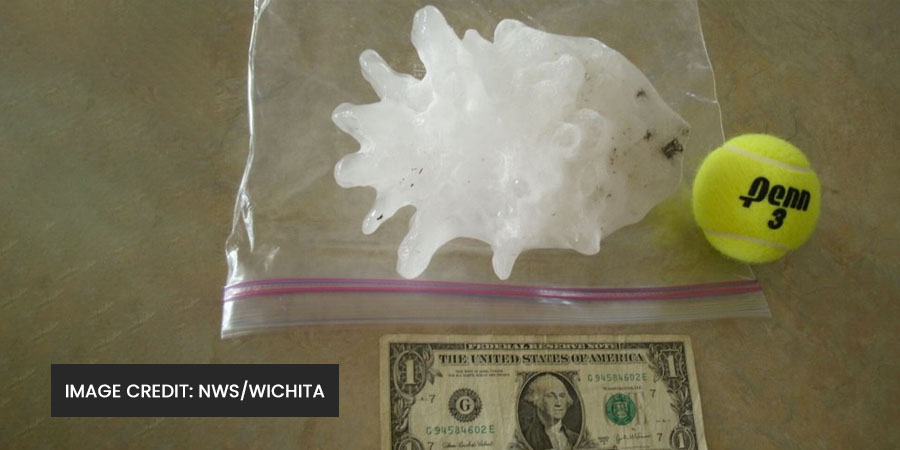
Despite its impressive dimensions, the accurate weight and circumference of the hailstone were not determined until 15 hours after it fell, revealing that it weighed 1.1 pounds (0.5 kilograms) and had a circumference of 15.5 inches (39.4 cm) at that time.
Cost of Damage
Several hailstorms in the United States have led to damages amounting to $1 billion or more.
Among these destructive events, the most expensive storm to date seems to be that of April 10, 2001.

This particular storm carved a path along the I-70 corridor, stretching from eastern Kansas to southwestern Illinois, leaving a trail of devastation in its wake.
The April 10, 2001 hailstorm marked a significant event in terms of the financial toll it exacted on the affected regions.
The swath of destruction along the I-70 corridor underscored the widespread impact of severe weather events, particularly hailstorms, on both urban and rural areas.
Impact on Commercial Roofing Systems
Commercial roofing systems in Kansas are vulnerable to hail
Roofing systems for commercial properties in Kansas face susceptibility to hail damage as they are continually exposed to harsh weather conditions.
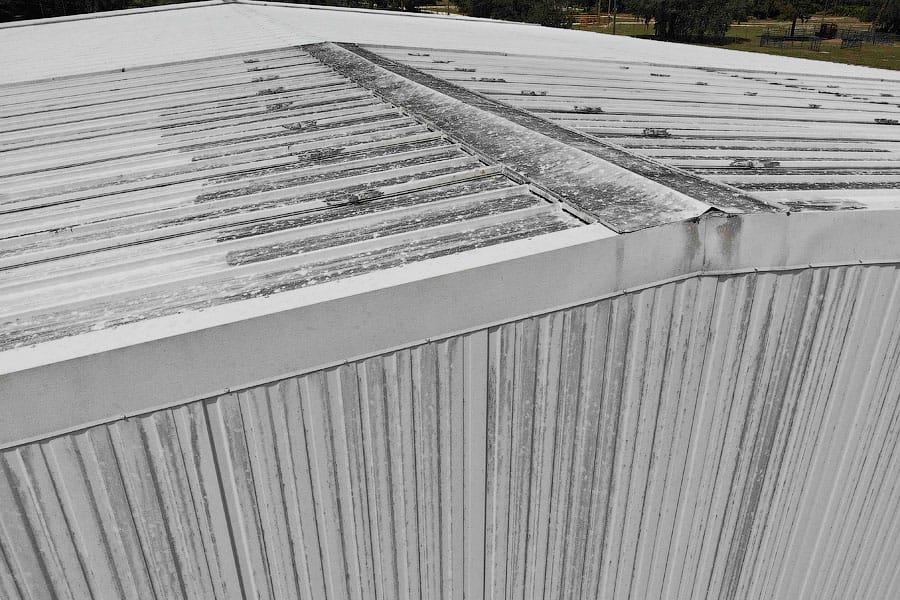
The impact of hail storms can result in the piercing of roofs, displacement of shingles, and the formation of leaks that undermine the structural stability of buildings.
- Impact Damage: Metal roofs may experience dents, while other roofing materials could be susceptible to punctures.
- Membrane Vulnerabilities: TPO and EPDM roofing membranes are prone to punctures and tears when exposed to hail.
- Granule Loss: Asphalt shingles are at risk of losing protective granules, accelerating their deterioration process.
Suburbs Affected by Hail Storms in Kansas
Several suburbs surrounding Kansas are susceptible to hail storms, including:
- Overland Park
- Olathe
- Shawnee
- Lenexa
- Leawood
- Prairie Village
- Mission
- Gardner
- Merriam
- Bonner Springs
Strategies to Mitigate Hail Damage in Commercial Buildings
In order to protect commercial establishments in Kansas, property owners can implement proactive measures like scheduling routine roof assessments, promptly addressing any identified damages, and opting for roofing materials designed to withstand impacts.

Engaging with skilled roofing experts can play a crucial role in reducing the chances of facing expensive repairs following a hailstorm.
Importance of Insurance Coverage in Kansas
Due to the erratic occurrence of hail storms, it is imperative for owners of commercial buildings to verify that their insurance policies offer sufficient protection against hail damage.

Understanding the details of the policy and recording the state of the property before and after the storm can streamline the claims procedure and accelerate the required restoration work.
Impact-Resistant Materials
By prioritizing the protection of your commercial property in Kansas, you ensure lasting security and a sense of tranquility amid the unpredictability of hail storms.

Opting for roofing materials that are classified for impact resistance, like Class 4 shingles (IBHS), represents a forward-thinking and calculated choice that yields an array of advantages. These benefits include improved durability, financial savings, heightened property worth, and environmental friendliness.
Kansas Hail Damage Prevention Strategies
Implementing effective hail damage prevention strategies in Kansas is crucial for safeguarding commercial properties against the destructive impacts of hailstorms.
Key measures include installing hail guards, reinforcing roof structures, and maintaining efficient drainage systems to enhance resilience and minimize damage.

By proactively addressing potential risks, property owners can protect their buildings, assets, and occupants from the detrimental effects of hail events, ensuring a safer and more secure environment in the face of severe weather conditions.
Future Trends and Climate Change Impact in Kansas
Given the influence of climate change on meteorological trends, there is an increasing focus on the potential impact of hailstorms in Kansas in the coming years.
Studies carried out by the National Weather Service indicate a potential escalation in both the occurrence and severity of hailstorms in the region due to changing climate conditions.
Authoritative Sources
- National Weather Service (NWS): Provides real-time alerts and historical data on hail events.
- NBC News: Offers comprehensive reports on indifferent topics including weather-related news.
- Weather Underground: Offers reports on weather-related reports.
- Insurance Institute for Business & Home Safety (IBHS): Conducts research on the effectiveness of impact-resistant materials.
- Insurance Information Institute: Provides data on insurance claims and statistics on weather-related topics
- Interactive Hail Maps: Provides insights and report on hail and other weather events.
Conclusion
Comprehending the risks associated with Kansas hail storms is paramount for commercial building owners in safeguarding their properties and ensuring business continuity.
By staying informed, implementing proactive strategies, and collaborating with experts, owners can effectively prepare for and mitigate the impact of hail events, fostering resilience and long-term protection against the challenges posed by severe weather conditions.
Embracing this essential knowledge equips owners with the necessary tools to navigate the unpredictable nature of hailstorms, ultimately enhancing the safety, security, and sustainability of their commercial establishments in Kansas.
RestoreMaster Disaster Response Services
Roof Emergency Sealing
Shrink Wrap Roofing
Roof Tarp Solutions
Site Containment
Emergency Board-up
Debris Removal
Wind Damage Repair
Commercial Roofing
Residential Roofing
Water Damage Removal
Fire Damage Restoration
Mold Remediation
Windows & Doors
Siding Repair
Flood Damage Repair
Interior Construction
Commercial Exterior
Insurance Claims
For emergency services
Call Now
800-400-ROOF
Request an Inspection
Learn More About RestoreMaster
Certified & Accredited Restoration Specialists


- $10 Million General Liability Insurance
- Bonding Capacity up to $50 Million
- OSHA Safety Trained
- Top 100 Roofing Contractor
- Certified General Contractor
- Better Business Bureau A+ Rating
- Owens Corning Preferred Contractor
- GAF Certified Weather Stopper Roofing Contractor
- CertainTeed Master Shingle Applicator
- Verisco Authorized Flat Roof Installer
- Verea Preferred Platinum Elite Installer
- Ironstone Master Artisan
- Conklin Preferred Contractor
- Compliance Depot Certified Vendor